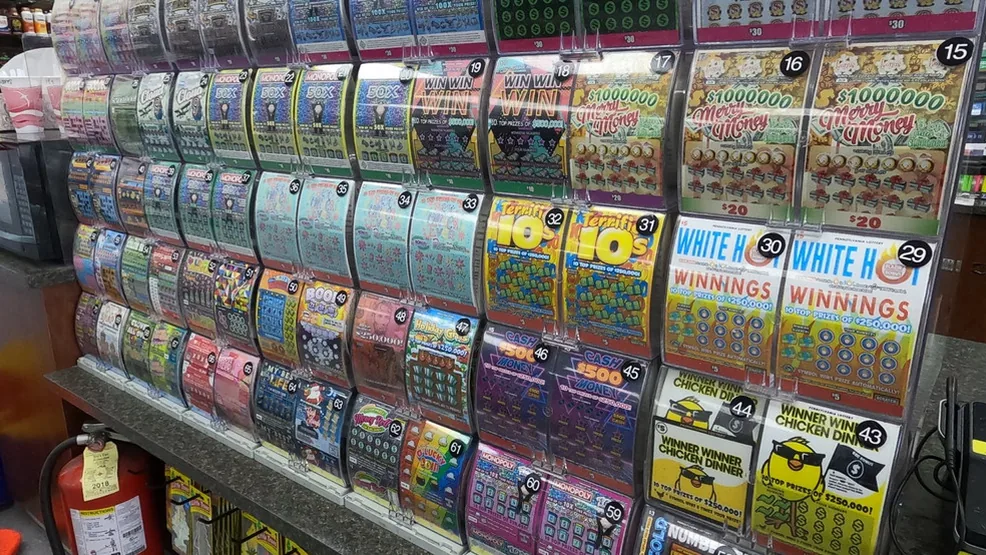
The Pennsylvania Lottery publishes scratch-off prizes remaining by game and prize tier. Open its official list, match the game number and name, then check the update date below the table. Use the price filter to narrow the list to $20 games, or the separate Active Games page to find new releases. The state table reflects claims the Lottery has received or processed, so a prize still listed can already be in the hands of someone who bought a ticket.
For a paper ticket you already own, three other checks can matter. The individual game page explains how the ticket works. The Second Chance rules establish whether that ticket qualifies for a separate promotion. The sales-ended record gives the date to use when looking up an older ticket's prize claim deadline.
How to find your ticket on the official prizes list
Open the Pennsylvania Lottery Scratch-Offs Prizes Remaining page. Look for the five columns that identify the game, its ticket price, the six listed prize amounts, and the count alongside each amount. The game links in the table lead to individual descriptions with rules and a prize breakdown. If you arrive through a search result, check that the page says Scratch-Offs in the heading. Pennsylvania publishes a separate list for Fast Play, and a similar-looking title or price can send you to an entirely different product.
Keep the ticket or its publicly printed game details beside you while you look. The site may show a longer name than the one you remember from the front of the ticket, especially when the design uses a logo or emphasizes the largest advertised prize. A denomination such as $20 identifies the cost of the game. Several games can share that price, and a large dollar figure on the face can be the advertised prize instead of the price.
Match the game number and check the update date
Use the number listed under Game # together with the name. For example, the official Merry & Bright game details identify that edition as PA-1809. The statewide row uses the digits 1809. That pairing gives you a more precise match than a search for a holiday ticket or a rough description of its artwork. For a ticket you already own, keep the specific validation information covered when you look up the public game number.
Read the update line below the rows before recording a count. The displayed date tells you when the Lottery last updated the published figures. It can be earlier than the day you open the webpage. If you save a row to check again later, keep the update date with it. A screenshot of three numbers without the game number, headings, or date quickly loses its meaning, even if the original screenshot was accurate when taken.
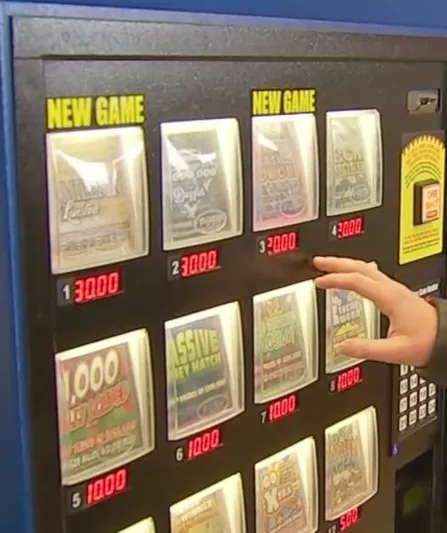
Read the prize amounts and counts together
Each amount corresponds to the count in the same position. Suppose a fictional row lists $50,000, $5,000, and $500 alongside counts of 2, 0, and 15. That means two recorded remaining prizes at $50,000, zero at $5,000, and 15 at $500. The zero applies to its own tier. This invented example shows how to read the columns without depending on today's figures for an actual game.
When a column wraps on a phone, the game description can be easier to read because its prize amounts and remaining counts appear as a compact table. It also provides a route to the game rules if you need help identifying the symbols or types of play printed on the ticket. For a saved note, write one prize amount and its corresponding count on each line. That keeps the information intact when you share only the public game information or revisit the screen on another device.
What a remaining prize count can tell you
Read Wins Remaining as a statewide report of prizes the Pennsylvania Lottery has yet to record as claimed for a listed game and prize tier. The Lottery's explanation below the table says the figures change when it receives or processes claims. A winning ticket can already be in someone's possession while its prize still counts as remaining. A count may therefore stay the same after a sale and change later, once the Lottery receives or processes the claim.
Imagine that two games each show four prizes remaining at the same tier. The matching counts tell you what the Lottery has recorded statewide for that tier on the date shown. To calculate the chance that an unsold ticket wins that prize, you would also need to know how many of the four winning tickets are still unsold and how many unsold tickets remain in the relevant pool. The table does not publish either number. Even an exact statewide inventory would leave a separate question about which tickets are at a particular store.
The number printed in the original rules answers another question. The filed game rules for Merry & Bright, for example, list the approximate odds for individual prize outcomes and the approximate initial print run. The denominator in a prize schedule describes the published printing assumptions. Combining that original denominator with a later remaining-prize count mixes two periods and does not yield a current probability.
Check whether an odds figure refers to any prize or to a particular prize tier. The game's full prize schedule includes outcomes below its six highest dollar amounts. It can also include an amount equal to the ticket price. On a $20 ticket, a $20 prize returns the price paid, so the net result before any other consideration is zero. Anyone citing the overall odds should keep that threshold clear. Winning something, getting back the original outlay, and winning a high-tier prize describe different outcomes.
You may see an asterisk on a game name. Pennsylvania explains that a reorder adds tickets and can increase the number of top prizes the Lottery reports as remaining, without changing the published overall game chances. If the count moves up between two snapshots, the footnote is worth checking before drawing any conclusion. A count answers one narrow question about a prize tier as of the posting. It cannot identify a store with a winning ticket or reveal whether one ticket in a dispenser is more likely to win than another.
How to find $20 and newly released games
To restrict the statewide table to $20 games, use the price selector above the prize rows and choose $20. Read the ticket price from the Price column, especially when a game name itself contains a dollar amount. Keep the game number visible as you scroll. If a ticket that you expected to see is missing, clear the filter and search again using the digits or the exact title. A mistaken denomination can hide the row even when the table contains it.
For recent releases, open the Pennsylvania Lottery Scratch-Offs Active Games page. Start with New & Featured Games or scan the full list for the NEW label. Treat that label as a pointer to the games the operator currently highlights. The section at the top also contains featured games, so a card's presence there does not establish its release date. Use the game description and its rules if you need to verify a release or distinguish one edition from another.
Use the price filter and confirm the game details
Consider two separate pages that use the same price: the official details for Merry & Bright, PA-1809, and for Snake, Rattle and Roll, PA-1797. The price gets you to the right part of the table. The name and game number get you to the exact ticket. If someone gives you only the ticket price and a picture of the artwork, find the official description before reading across a prize row. The two games have different prize structures even though both examples cost $20.
A game can also have branding that appears in more than one format. The active list labels some products as available online or as Fast Play. A logo alone cannot tell you which rules, outcome, or reporting table applies. If the item you have is a physical scratch-off, stay in the Scratch-Offs section when looking up its game information. If you have a terminal-printed Fast Play ticket or an online play record, check the official instructions for that product.
The publication dates answer separate questions. An active listing shows how Pennsylvania categorizes the game when you visit. The prize table may have been updated earlier, and neither page shows what is physically in stock at a retailer. If a newly released game appears on the active list before you can find its prize row, retain the public game number and check the official page for that exact edition. That is a better way to reconcile the two pages than borrowing counts from a game with a similar title.
How Pennsylvania Second Chance entries work
A Pennsylvania Lottery Second Chance promotion is a separate drawing with its own eligibility rules, entry period, and prize structure. Follow the link from a ticket's official game page or start at the Pennsylvania Lottery Second Chance hub. When a game is labeled eligible, open the named promotion and read its list of qualifying tickets. The badge sends you to the program, while the rules determine whether the specific ticket you hold can enter.
First work out the result of the scratch-off itself. The holiday promotion described below applies to qualifying non-winning tickets. If a ticket appears to have won, use the Pennsylvania Lottery verification and claim process first. If it qualifies for the promotion, the entry you submit is a separate record. It leaves the original scratch-off result as it was and does not add a prize to the ticket's entry in the remaining-prizes table.
Check the qualifying game and entry deadline
The Pennsylvania Bulletin rules for Unwrap the Cash provide a dated example. They name non-winning Merry & Bright tickets bearing game code PA-1809 among the qualifying editions. The stated entry cutoff was set for 11:59:59 p.m. Eastern time on January 7, 2027. Those terms apply to that edition of the promotion. For any other promotion, look up the cutoff, time zone, and list of qualifying games again, even when the marketing name sounds familiar.
That example required participants to be at least 18 and have a registered lottery account. It took submissions through the official promotion website or the official app, with each qualifying ticket submitted once. If you enter a ticket you already have, check your account for the submission and keep the physical ticket in a safe place while the promotion runs. For a public discussion of eligibility, share the public game name and number and keep the individual ticket private.
It helps to write down the promotion name beside the game number if you keep several old tickets. Save the cutoff from the promotion rules and, where applicable, the confirmation from your account. The official game description for Merry & Bright says sales may continue after its Second Chance entry period ends. A ticket bought or found later therefore needs its own scratch-off check. A past entry deadline and a game's claim deadline are two separate dates, even when both refer to the same printed ticket.
How to check an older ticket and find the claim deadline
Find the game number before making any decision about an older ticket. You might find a scratch-off in a wallet or an envelope months after picking it up. The date you find it tells you nothing about how long the game has been closed. If the number does not appear among active games, switch to the official sales-ended list. Look up the exact edition there, even if a newer product uses a similar name.
To verify a possible win, use a Pennsylvania Lottery retailer or the ticket-checking feature in the official Pennsylvania Lottery app. The remaining-prizes row describes the game's statewide report. Validation concerns the original ticket you hold. Even a zero in the first prize slot does not tell you whether the ticket has a smaller prize. Preserve the original if you think you may have a claim, and use the official contact information if it is damaged or gives an unclear response.
Sales ended and the last day to claim
The Scratch-Offs Sales Ended Games list shows the game number, name, price, the month it went on sale, and its recorded end-sale date. Read the date under End Sale and check it against the specific edition. Pennsylvania Lottery says scratch-off prizes expire one year from the game's end-sale date. The Pennsylvania Code claim rule ties that year to the announced game close. Contact the Lottery promptly if the listed date is unclear or the end of the year-long claim period is close.
Take a game with an imaginary end-sale date of April 15. The general rule measures the year from that date, even if you bought the ticket months earlier and only checked it in June. The date of the next scheduled drawing, the day you looked up prizes remaining, and the end of a Second Chance campaign refer to other events. For a real claim, use the announced close of your exact game and confirm any deadline question directly with Pennsylvania Lottery.
If you have an apparent winner, review Pennsylvania Lottery's claim instructions for signing and preserving the original, obtaining any required claim form, and choosing the correct claim channel. Larger awards and annuity prizes have different handling from routine retailer payouts. A photograph can help you keep a private record, while the original remains the document to safeguard. When you only want the remaining counts, the dated statewide table answers that question. When you need a prize decision or deadline for your ticket, move from that table to the agency's validation and claims process.

Loading comments...