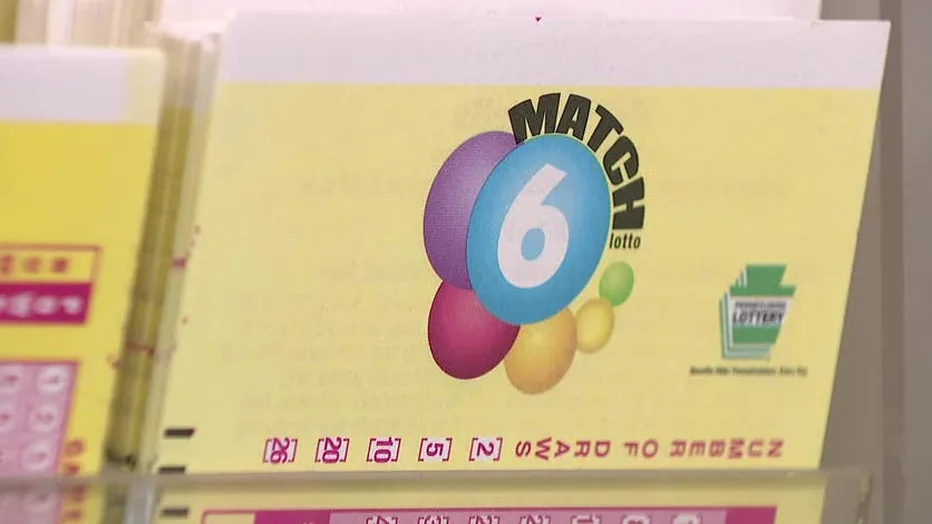
To check Pennsylvania Match 6 Lotto, find the six winning numbers for the exact drawing date and compare them with the three rows from one play. Count the matches on each row for base play, then add the three counts for combined play. If one winning number appears on several lines, count each appearance when you total the group. Pennsylvania publishes different prize tables for the two kinds of matches.
Each $2 play includes three rows. The first is the one you select or get by Quick Pick, and the system generates the additional two. All three use the same six numbers drawn that evening. The worked example below shows why counting each printed position can produce eight combined matches even though the Lottery draws only six values. For a ticket you already hold, keep the original and use the Pennsylvania Lottery's own result and ticket verification channels for any potential prize.
What the three lines on a Match 6 ticket mean
Each Pennsylvania Match 6 play costs $2 and gives you three rows of six numbers. According to the Pennsylvania Lottery's Match 6 game guide, the first row contains six numbers from 1 through 49, which you choose or get by Quick Pick. The system generates the two additional rows. All three belong to one play. The Lottery describes 18 numbers in play because the three rows contain 18 printed positions in total.
Start by identifying the boundaries of the play you are checking. On a longer ticket, the next three-line group can belong to a different play even though it appears directly below the previous one. Keep each group intact. A date range on a multi-draw ticket also matters. The same printed rows may be eligible on several dates, and the numbers drawn on those dates can differ. The ticket information determines which dates and rows you should compare.
If you filled in a paper play slip, consult the issued ticket for all three rows. The play slip represents your instructions for the chosen or Quick Pick numbers. The ticket carries the two extra rows that the system produced. The official Match 6 demonstration shows how those details appear after a single set of selections becomes a three-row play.
One drawing supplies all six winning numbers
The Pennsylvania Lottery draws six numbers for Match 6 each evening at 6:59 p.m. Eastern time. Each of the three rows uses the same winning set for the date printed on the ticket. If your first row contains one of the six drawn numbers, that number can count in that row. If the same number also appears in your next row, its appearance there will be checked against the same result. The game uses one drawing, with a separate method for counting individual and combined matches.
The dated LotterySnap Match 6 results can help you locate a drawing. The number of balls on the result and the number of printed positions on a play are different. You will see six values in the result, then compare those values against each of the three rows. Once you have the correct draw, keep those six numbers fixed while you count. That prevents an accidental mix of rows from the ticket and numbers from a second date.
How base play and combined play pay
Use two tallies for the same group of three rows. Write an individual match count beside each row, then add the three counts for the combined total. In the official Match 6 prize schedule, the base column is expressed out of six and the combined column out of 18. The two columns have different starting points and payouts. Four matches on one line and four matches distributed over three lines can make the same combined total, while the base awards differ.
The Pennsylvania Code rules for determining Match 6 prizes allow the highest eligible award from each row and the highest eligible award for the combined group. That is how a three-row group can produce several awards on one drawing. A reader checking several plays should repeat the entire tally for each group before adding the amounts suggested by the schedule.
Base play checks each line on its own
A line with exactly three of the six drawn numbers has a listed base prize of $2. Four matches have a listed base prize of $20, five have one of $1,000, and all six on the same line qualify for the jackpot category. Each row may contribute one base prize. A row that has four matches uses its $20 tier. The three-match amount does not carry up to that row as a second award.
Make the same check for the system-generated rows and the first row. All three can contribute base prizes under the same prize table. Some matched values can appear again in a later row, but that later row still has to meet the base threshold using only the numbers on it. A jackpot requires all six winners on a single row. If multiple eligible plays match all six in a drawing, the actual jackpot pool is shared among those plays.
Combined play counts matches across the three lines
Add the three row counts, keeping every matched position. If one drawn number occurs on each of three printed rows, it contributes three to the combined total. The group has 18 positions, so a combined match count can be greater than the six numbers drawn. Counting the unique drawn values present somewhere on the ticket would drop repeated matches the combined game is designed to include.
The published combined schedule lists $2 for four matches, $5 for five, $10 for six, $25 for seven, $50 for eight, $1,000 for nine, and $2,500 for 10 or more. Use the single tier corresponding to the total. For example, a combined count of six uses the $10 combined tier, and any base prize still comes from evaluating an individual row. Compare one group and date at a time before moving to another play.
A worked example with repeated numbers
Suppose an imaginary Match 6 drawing produces 4, 9, 17, 26, 33, and 48. The following rows make up one fictional play. The column headed Matching numbers shows which of the printed values occur in the draw. Identify those matches before looking at the payout. You will use the same values to determine any base prize and then to calculate the combined total.
| Line | Printed numbers | Matching numbers | Base prize |
|---|---|---|---|
| First | 4, 9, 17, 21, 37, 44 | 4, 9, 17 | $2 |
| Second | 4, 12, 22, 26, 38, 49 | 4, 26 | No prize |
| Third | 4, 9, 14, 30, 33, 42 | 4, 9, 33 | $2 |
The first row contributes three matches, the second contributes two, and the third contributes three. For base play, use the three-match tier on the first and third rows. The second row has two matches, below the base threshold. That produces $4 in base prizes. The result includes 48 even though that value does not appear on the fictional ticket, so it adds nothing to any tally.
Add the row counts to get eight matching positions for combined play. The digit 4 appears once on each row and the digit 9 appears on two rows. If you were to cross the extra appearances off the moment you recognized those values, you would end up counting only five distinct matches. Every matching position counts. Using the Pennsylvania Lottery's combined prize schedule, eight matches yield a listed $50 combined prize. The $4 base amount and $50 combined amount produce a $54 total for the invented one-play example.
The two tallies can also produce an award in only one category. If the rows match two, one, and one, the combined count reaches four and the listed combined prize is $2. Each of those rows is below the base threshold. If the rows match three, zero, and zero, the first row qualifies for the $2 base prize, while three overall is below the combined threshold. Check both counts even if you already found an award in one category.
When working from a real ticket at home, write down three match totals before you calculate the prize. This is easier to audit than marking only the numbers you remember seeing. If the ticket has another group, start new tallies for it. On a multi-draw ticket, keep one set of tally marks per date. The three separate counts help you reconstruct a check when a single total on a handwritten note no longer tells you which rows contributed.
How to find past Match 6 winning numbers
Open Pennsylvania Lottery Winning Numbers History and use the Past Winning Numbers option. Select Match 6 and the date or date range relevant to the ticket. Open the result and keep its date with the six drawn values. If you started on a general Pennsylvania results page, confirm that the selected game is Match 6. The evening program includes other drawings, so the words “evening result” alone are not a game identifier.
The archive also has a search called Has My Number Ever Won. That search looks for a set of numbers in historical results. Use Past Winning Numbers when you already know the ticket date. On a Match 6 ticket you have three rows, and a search for just the first row cannot score the two system-generated rows or calculate a combined award. It may also return a historical result that sits outside the dates the ticket covers.
Older descriptions sometimes give Match 6 a twice-weekly schedule. The Pennsylvania Lottery's historical report documents the switch to daily drawings in 2017. Use the official result archive to check historical dates and the current Lottery schedule for routine draws. For a recent ticket, a Saturday or Sunday row is consistent with the nightly schedule. Applying a modern daily calendar to older records can give the wrong impression about a missing draw.
Match the drawing date to your ticket
The Pennsylvania Match 6 ticket rule ties an issued retail ticket to the drawing dates on it. The current game page shows a daily sales cutoff of 6:57 p.m. Eastern and a draw two minutes later. A store receipt, the time an article appeared, or the date a video was replayed can differ from the drawing information on the ticket. For advance play, check every printed drawing date separately, even if the appearance of the three rows stays the same.
Different results screens may list the six numbers in a different order or print 04 where another display writes 4. A leading zero does not change the value. Compare the actual six entries once you have confirmed the game and date. If they still disagree, Pennsylvania Lottery states that its official drawing record prevails. If you cannot find a record, confirm the date fields and game selection, then ask the Lottery for help with that particular drawing. Retain the original ticket while the question is being resolved.
How to verify and claim a Match 6 prize
Keep the issued ticket while you work out the result. If your tally suggests base prizes, a combined prize, or both, use the draw-game ticket scanner in the official Pennsylvania Lottery app or take the ticket to a participating Pennsylvania Lottery retailer for validation. A search for winning numbers shows what was drawn. The retailer checks what the Lottery recorded for the particular ticket. For an online purchase from Pennsylvania Lottery, use the transaction and results in the official account.
Pennsylvania's operator instructions start with signing and completing the back of a winning retail ticket and keeping the paper secure. Preserve the original while the claim is being resolved. If the writing on a ticket is damaged or a check comes back inconclusive, reach the Lottery using contact details from its own website. Explain which draw or ticket check you are trying to resolve. Keep individual ticket details within the official claim process.
The published Match 6 instructions say participating retailers may pay a validated prize of up to $2,500 when they can pay it. A payout of $600.01 or more requires a claim form, and a winning ticket older than 180 days needs a form under the game's published instructions. Ask about the payout on the validated ticket because a base prize and a combined award may count toward the same payable total. The day count for that paperwork is separate from the date on which the claim right expires.
Under Pennsylvania's Match 6 claim deadline rule, file the claim within one year of the date of the winning drawing on the ticket. An older multi-draw ticket can have different relevant dates for different awards. The day you bought it, the day a website lists the result, and the day you found it do not reset the claim period. If the deadline is near, confirm the correct procedure with the Lottery promptly.
For a prize above the retailer limit or an apparent jackpot, use the official Pennsylvania Lottery claim instructions and contact the agency to confirm where to present the original. The Match 6 rules require in-person presentation for an apparent jackpot. Confirm the authorized location directly before making the trip. The game rules describe Match 6 prizes, including the jackpot, as one-time cash payments. A published estimate for a drawing can differ from what one winner receives when the jackpot pool is shared.
Pennsylvania limits play to adults age 18 and older. The checks here use information already printed or recorded for a purchase. Once you have matched the exact date and counted the ticket as three lines and one combined group, the remaining step for an apparent award is the Lottery's verification of the ticket.

Loading comments...